The Guest-of-Honor Test: A Smarter Way to Dress for Any Occasion
When the invitation leaves room for interpretation, dress for the person, place, and part you will play. This practical guide helps you land on the right level of polish without looking like you tried too hard.
.tys-ce-article h2{font-family:Georgia,Times New Roman,serif;font-size:clamp(27px,3vw,38px);line-height:1.2;margin:44px 0 16px;color:#111}.tys-ce-article h3{font-size:22px;line-height:1.3;margin:28px 0 10px;color:#181818}.tys-ce-article p{margin:0 0 19px}.tys-ce-article ul,.tys-ce-article ol{margin:0 0 24px;padding-left:26px}.tys-ce-article li{margin:8px 0}.tys-ce-article blockquote{margin:30px 0;padding:20px 24px;border-left:4px solid #c7a45a;background:#f7f4ec;border-radius:0 14px 14px 0;font-family:Georgia,Times New Roman,serif;font-size:20px}.tys-ce-article a{color:#7a5b1d;text-decoration-thickness:1px;text-underline-offset:3px}
Occasion dressing gets tricky when the invitation gives you a time and a location but not much else. “Come celebrate” can mean a backyard gathering, a candlelit dinner, or a room full of people who take pocket squares very seriously.
Instead of guessing from the event name, use a simple test: Who matters, where are you going, and what role will you play? Those three answers will tell you how polished to look, how much personality to show, and which details can stay comfortably in the background.
1. Start with the person, not the dress code
Most occasions have a central person or purpose. It might be a couple getting married, a friend celebrating a milestone, a host opening their home, or a colleague receiving an award. Your outfit should support that moment rather than compete with it.
For a formal celebration, this usually means a well-fitting suit, a clean shirt, and accessories that look intentional without becoming the headline. For a casual gathering, it may mean a pressed button-down, tailored trousers, and one interesting detail rather than a complete outfit built around interesting details.
A useful question is: Would this outfit make sense in a group photo where someone else is clearly the focus? If the answer is no, simplify. Loud patterns, novelty accessories, and anything that requires an explanation can wait for another occasion.
2. Read the room before you read your closet
The venue gives you clues about the expected level of polish. A restaurant with table service generally calls for more structure than a daytime picnic. A hotel ballroom often rewards a jacket and dress shoes. A private home may allow softer fabrics and more relaxed tailoring, especially if the event includes standing, walking, or helping the host.
Time of day matters, too. Daytime events tend to work well with lighter colors and less shine. Evening occasions can handle deeper tones, darker tailoring, and a slightly sharper finish. This is not a rigid rulebook; it is a way to avoid looking as if you arrived from an entirely different event.
Weather and logistics deserve equal attention. If you will be outside, choose layers you can remove without ruining the outfit. If you will be traveling across town, wear shoes you can actually walk in. Looking polished is useful. Looking polished while quietly regretting every step is less useful.
3. Decide your role before choosing your accessories
Your place in the event should influence how much visual weight your outfit carries.
- As a guest: Aim for confident, coordinated, and slightly restrained. You want to look as though you understood the assignment, not as though you wrote it.
- As a speaker or presenter: Choose clean contrast around the face, such as a tidy collar and a tie that reads clearly from a distance. Avoid accessories that demand constant attention.
- As part of the wedding party or ceremony: Follow the shared color and formality guidelines first. Personal touches should fit the group rather than pull away from it.
- As the host: You can be more distinctive, but comfort becomes part of the brief. Choose details that will still look good several hours into the event.
This approach helps settle a common question: “Can I wear something with personality?” Of course. The trick is to decide whether personality belongs in the pattern, the color, or the texture. Usually, one strong choice is enough.
4. Build the outfit from the jacket outward
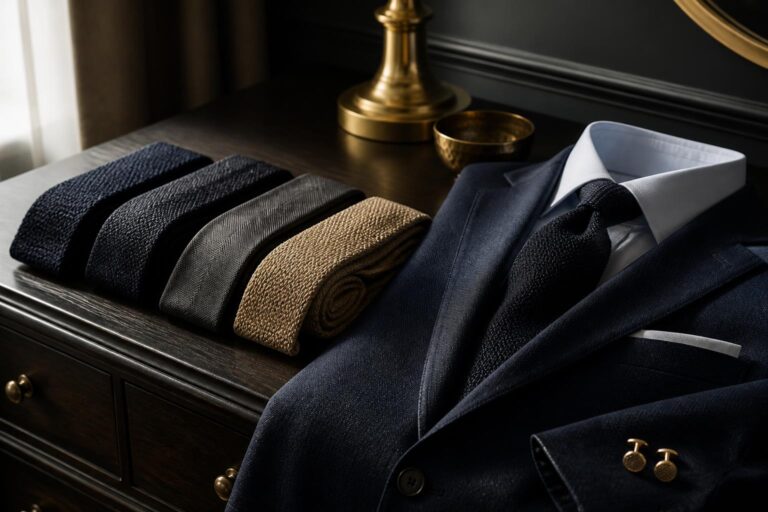
When the occasion is unclear, start with the most formal item you are reasonably likely to need: usually a jacket. From there, adjust downward rather than trying to rescue an overly casual outfit at the last minute.
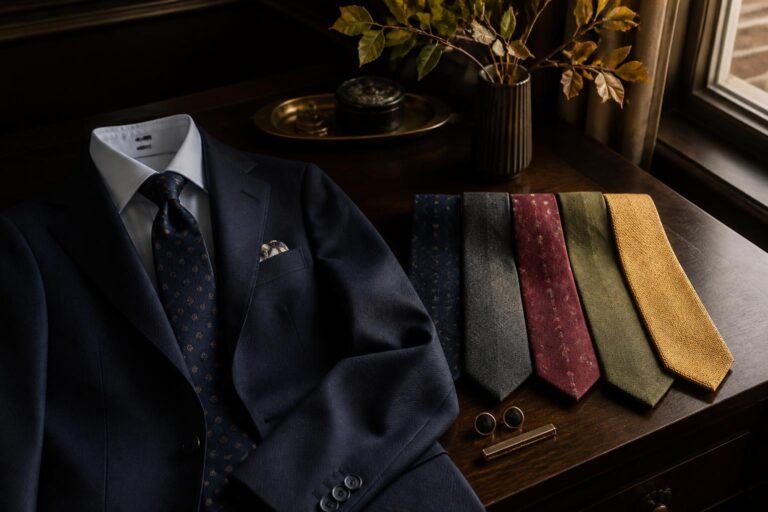
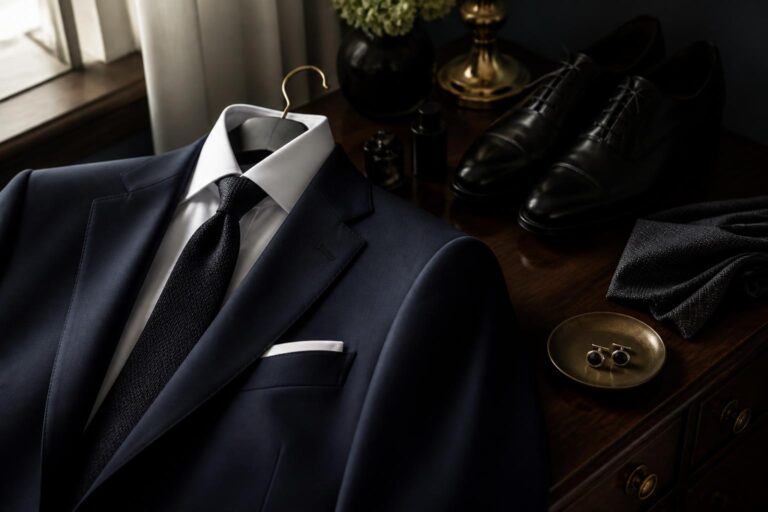
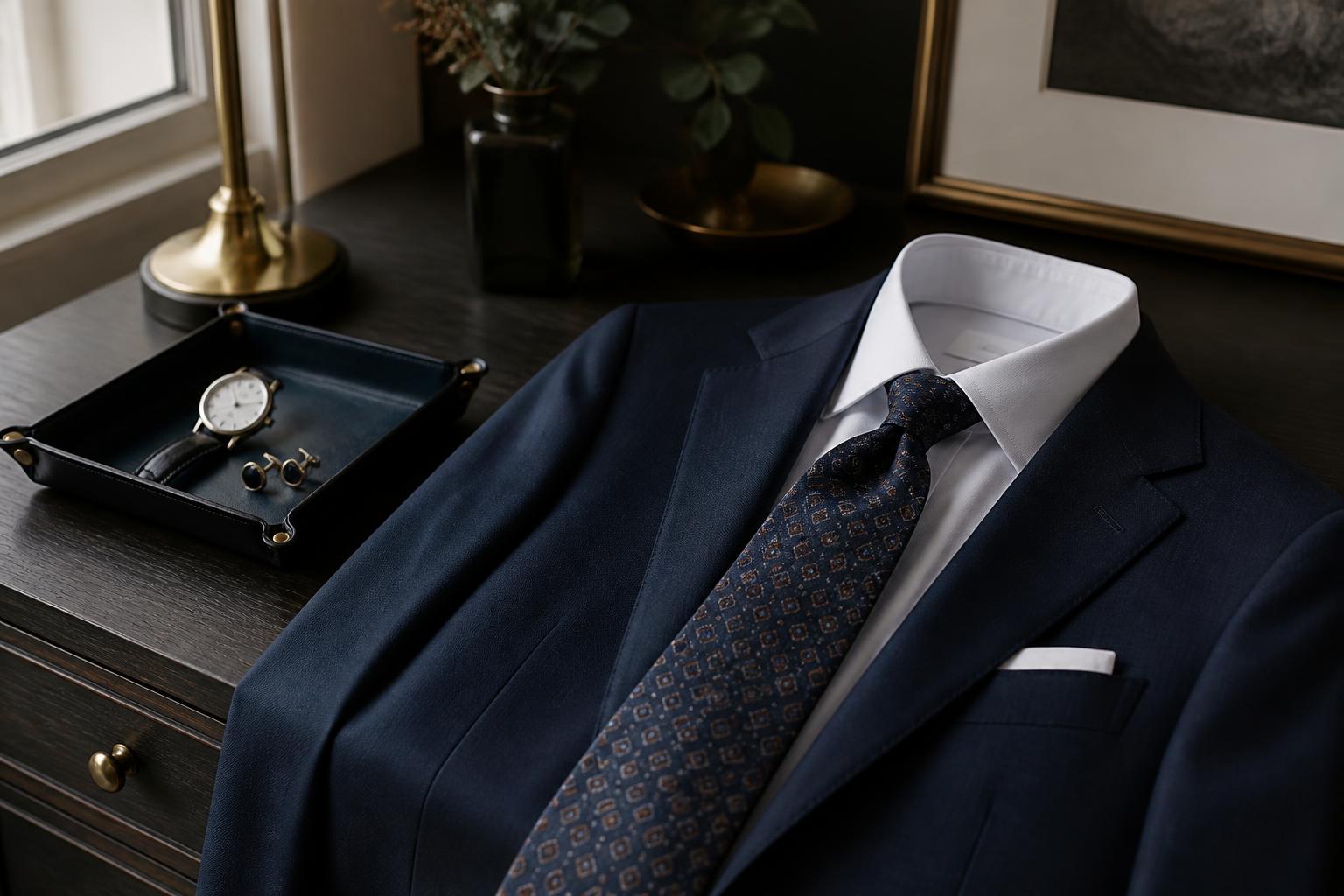
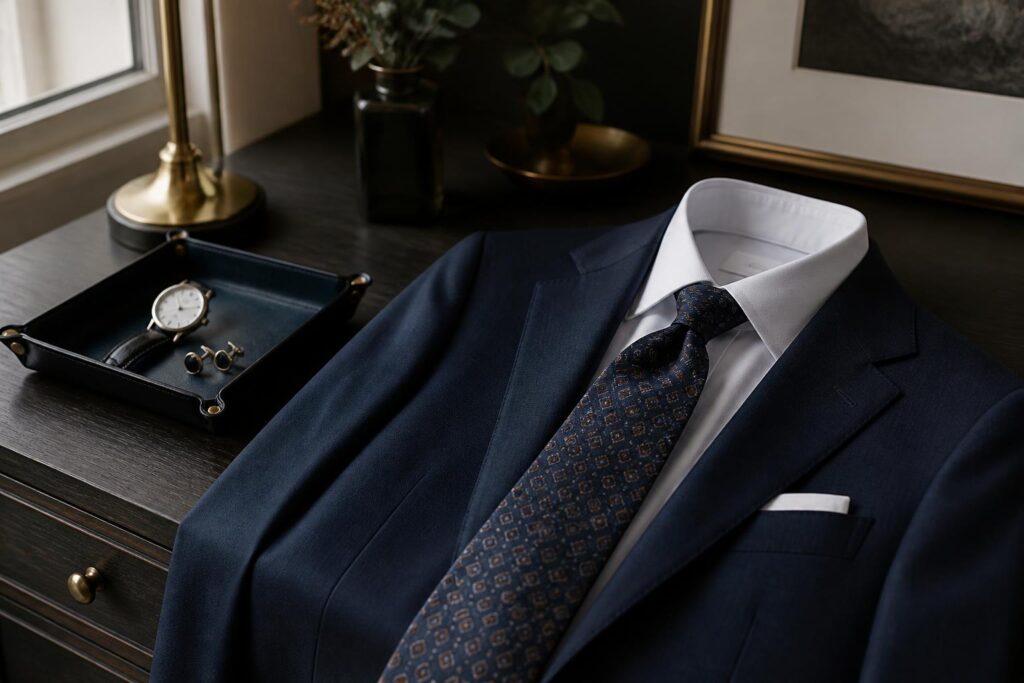
A navy or charcoal jacket gives you room to change direction with your shirt, trousers, and accessories. For a more relaxed setting, an open collar can soften the look. For a dinner, ceremony, or professional celebration, adding a tie can make the same jacket feel considered and complete.
Keep the foundation quiet if your accessory is expressive. A patterned tie works best with a shirt that gives it breathing room, while a more colorful shirt usually benefits from a simpler tie. The goal is not perfect matching. It is visual balance.
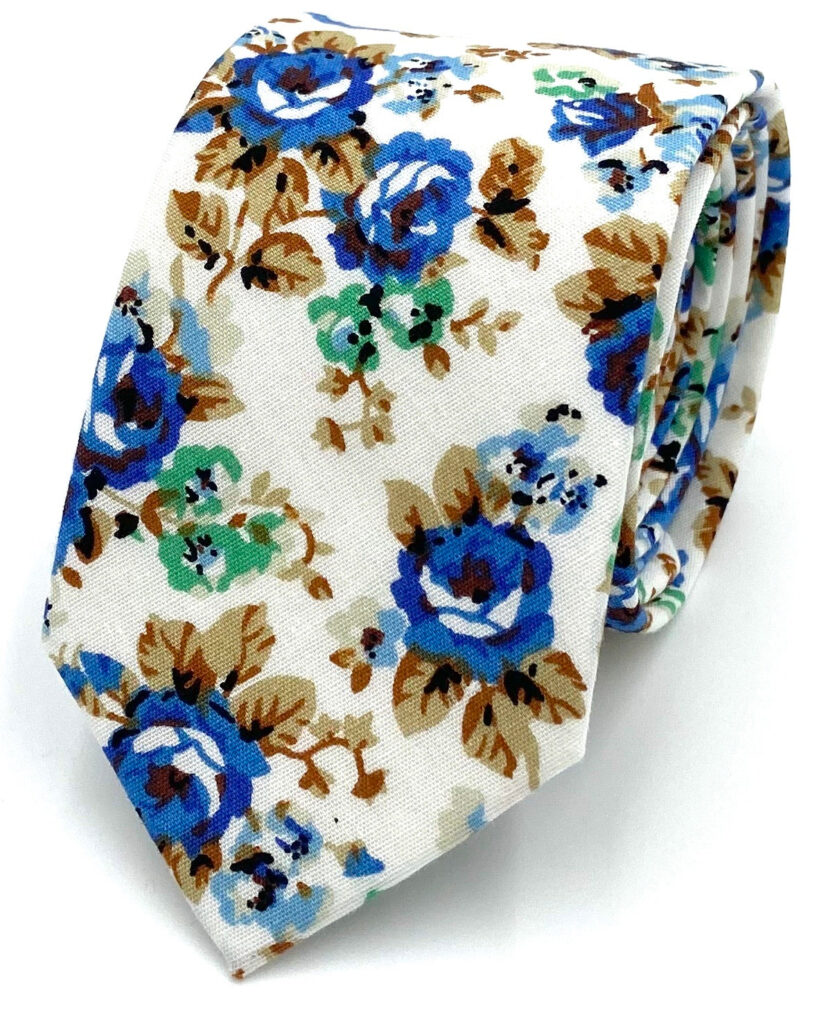
For an occasion that calls for a memorable but controlled detail, Snowy Bloom offers an intricate floral pattern in delicate, wintry tones. Its 100% cotton construction and formal-event orientation make it a natural consideration for a ceremony, seasonal dinner, or dressier gathering where you want a little character without turning the outfit into a conversation starter before you have said hello.
5. Use the “one conversation piece” rule
Accessories are most effective when they appear chosen, not accumulated. Pick one item to carry the personality of the outfit, then let the rest support it.
That conversation piece could be a patterned tie, distinctive socks, a textured pocket square, or a watch with a clean dial. It does not need to be flashy. It simply needs to give the outfit a point of view.
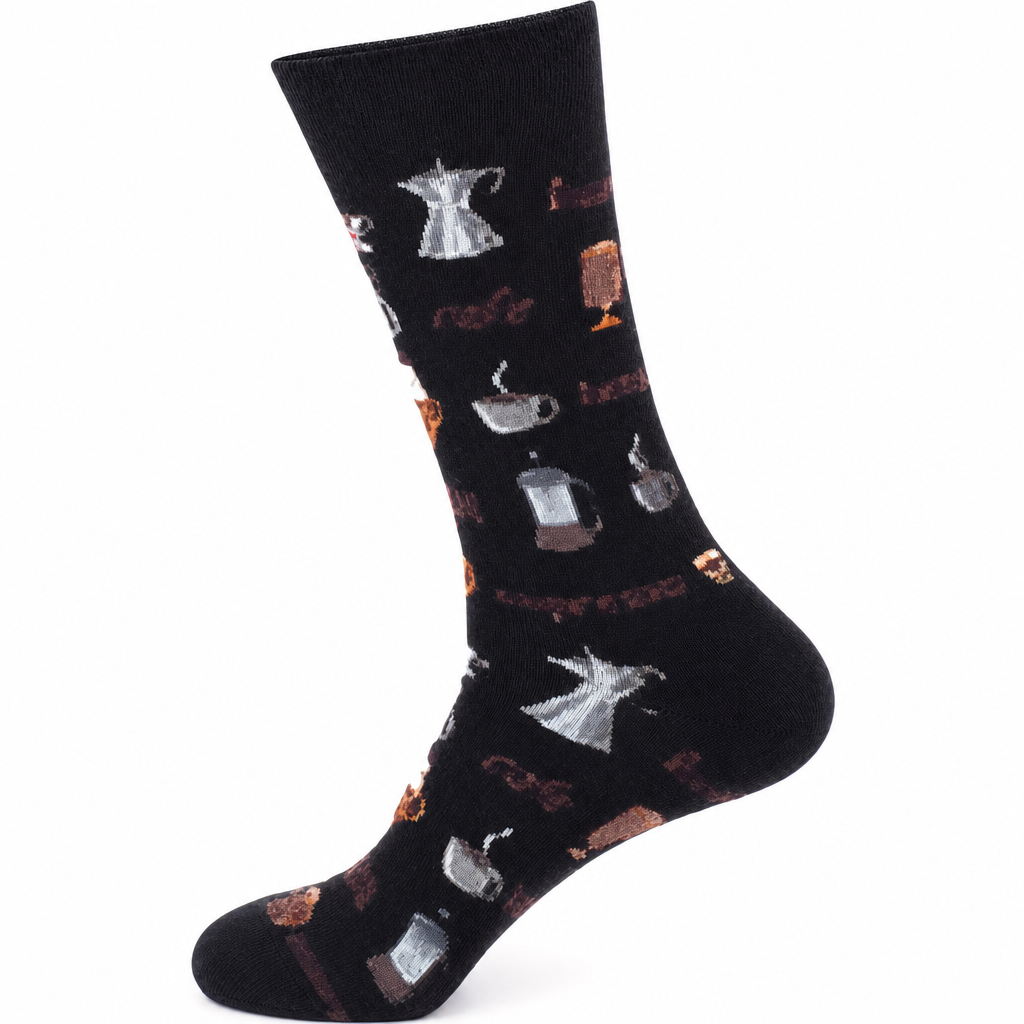
If your tie has a noticeable pattern, keep your pocket square simple or skip it. If your socks are playful, let them appear briefly rather than turning every seated moment into a reveal. A pair such as Coffee Club, with a classic crew height and a striking design, can add interest below the trouser line while leaving the rest of the outfit composed.
Think of this rule as a volume control. One expressive detail says you have taste. Four expressive details may suggest that your accessories held a planning meeting without you.
6. Do a practical check before you leave
The final check should cover more than whether the colors work. Occasion dressing is partly about being able to stay present once you arrive.
- Check the fit: Make sure your collar sits comfortably, your jacket buttons without pulling, and your trousers do not need constant adjusting.
- Check the condition: Remove lint, inspect the tie for wrinkles, and make sure shoes are clean enough for the setting.
- Check the movement: Sit down, raise your arms, and walk a short distance. If something feels wrong at home, it will not improve under a banquet table.
- Check the backup plan: Bring a layer for changing temperatures and know where you can safely put it. A jacket draped over a chair is better than one abandoned on the dance floor.
- Check the mirror from a distance: An outfit that looks balanced up close should still read as balanced from across the room.
A quick guide for uncertain invitations
If the invitation is vague, use this shortcut:
- Daytime and outdoors: Choose breathable layers, lighter or softer colors, and shoes suited to the ground.
- Evening and indoors: Add structure with a jacket, darker tones, or a tie.
- Professional celebration: Keep the foundation classic and let one accessory show personality.
- Family or milestone gathering: Prioritize comfort, photographs, and details that will still feel appropriate years later.
- Still unsure: Dress one small step more polished than your first instinct, then remove one detail if the setting feels more relaxed.
The goal is confidence, not costume
Good occasion dressing is not about decoding every possible rule. It is about noticing the people, place, timing, and role, then making a few dependable choices. Start with a sound foundation, add one personal detail, and check that you can move comfortably through the event.
When you dress with the occasion in mind, you look prepared without looking overprepared. That is the sweet spot: sharp enough for the photographs, comfortable enough for the long conversation afterward, and ready for whatever “casual celebration” turns out to mean this time.