The Wedding Guest Dress Code Decoder: What to Wear When the Invitation Is Vague
A practical guide to reading between the lines of wedding invitations, choosing the right level of formality, and avoiding the classic “too casual, too soon” mistakes.
.tys-ce-article h2{font-family:Georgia,Times New Roman,serif;font-size:clamp(27px,3vw,38px);line-height:1.2;margin:44px 0 16px;color:#111}.tys-ce-article h3{font-size:22px;line-height:1.3;margin:28px 0 10px;color:#181818}.tys-ce-article p{margin:0 0 19px}.tys-ce-article ul,.tys-ce-article ol{margin:0 0 24px;padding-left:26px}.tys-ce-article li{margin:8px 0}.tys-ce-article blockquote{margin:30px 0;padding:20px 24px;border-left:4px solid #c7a45a;background:#f7f4ec;border-radius:0 14px 14px 0;font-family:Georgia,Times New Roman,serif;font-size:20px}.tys-ce-article a{color:#7a5b1d;text-decoration-thickness:1px;text-underline-offset:3px}
Wedding invitations do not always make dressing easy. “Festive,” “formal attire,” and “garden celebration” can leave a man staring at his closet as if it has personally betrayed him. The good news: you can usually decode the dress code by looking at the venue, timing, and wording together.
Your goal is not to outshine the couple. It is to look intentional, comfortable, and appropriately dressed for the photographs, the ceremony, and the long reception that follows.
1. Read the invitation like a practical man
Start with the clearest instruction on the invitation, then use the setting to fill in the gaps. If the couple has specifically requested black tie, follow that request. If the wording is less precise, the event’s details become your guide.
- “Black tie”: Wear a tuxedo, a formal white shirt, a black bow tie, and formal black shoes. Keep accessories restrained and polished.
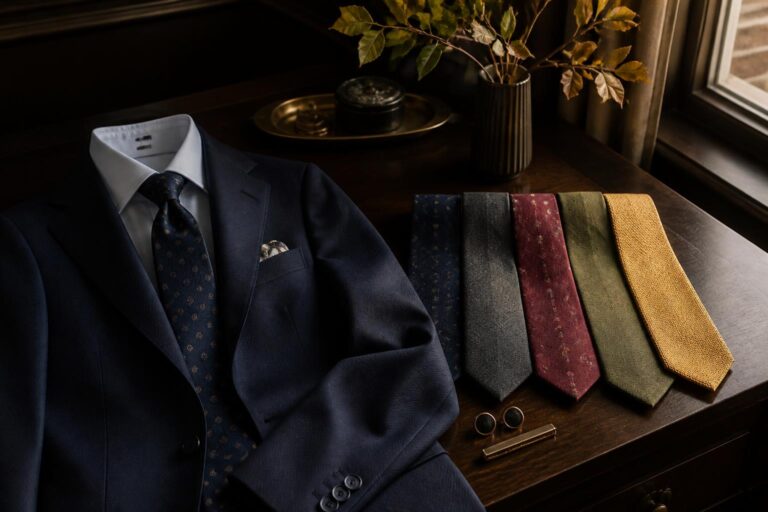
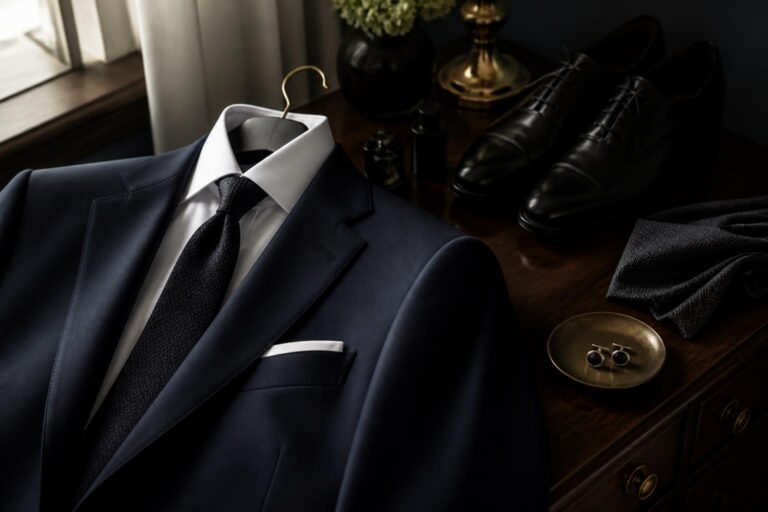
- “Formal” or “black-tie optional”: A dark suit is the dependable choice. Navy, charcoal, and deep gray all work well with a crisp shirt and a conservative tie.
- “Cocktail attire”: Choose a well-fitted suit or a refined jacket-and-trouser combination. You can introduce more color or texture, but the overall look should still feel dressy.
- “Festive”: This usually gives you permission to add personality through a colorful tie, a patterned pocket square, or a textured jacket. Personality is welcome; novelty-store chaos is not.
- “Garden,” “beach,” or “outdoor”: Consider lighter colors and breathable fabrics, but do not confuse relaxed surroundings with permission to wear whatever survived your last barbecue.
If the invitation says little more than the location and start time, treat an evening ceremony at an upscale venue as more formal than a daytime gathering at a casual outdoor site.
2. Use the venue and clock to choose your starting point
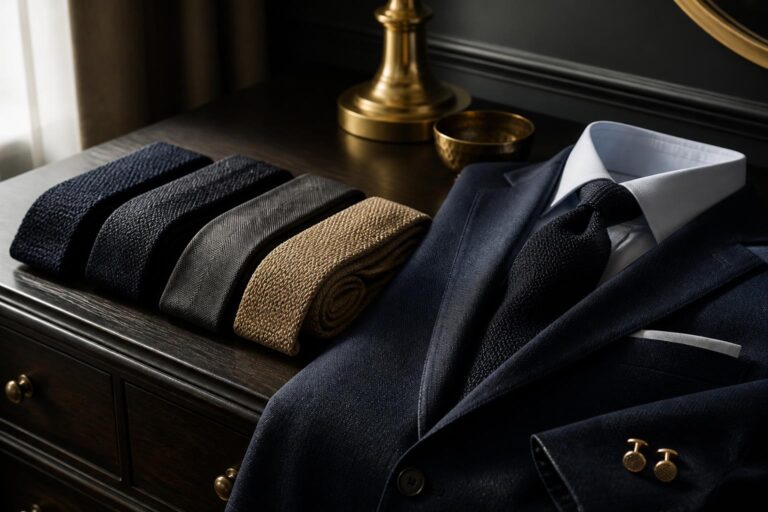
Time of day is one of the most reliable dress-code clues. Evening weddings generally call for darker, dressier clothing. A charcoal or navy suit, white or pale blue shirt, and dark leather shoes will rarely feel out of place.
Daytime weddings allow more flexibility. A medium-gray, tan, or blue suit can look sharp without feeling overly solemn. In warm weather, linen or cotton can be comfortable, though the fabric should still be pressed and structured enough for the ceremony.
Then consider the venue. A hotel ballroom, private club, or elegant restaurant usually leans formal. A vineyard, barn, park, or beach may support a softer interpretation, but you should still build the outfit around a proper shirt, trousers, and finished shoes.
When in doubt, dress one small step more formally than you think necessary. It is easier to remove a tie or jacket later than to make casual clothes look ceremonial.
3. Build the outfit in the right order
Many wedding guests begin with a tie they like and then try to force the rest of the outfit around it. Reverse that process. Start with the level of formality, then choose the suit or jacket, shirt, shoes, and accessories.
- Choose the main layer. A suit is the safest foundation for most weddings. For a less formal event, pair a tailored jacket with trousers that are clearly different in color or texture.
- Pick the shirt. White is the most formal and versatile. Pale blue, soft pink, and subtle stripes can work for daytime or cocktail settings.
- Add the tie if the event calls for it. A tie is still the simplest way to make an outfit look deliberate. If the dress code is unclear, bring one even if you expect to remove it later.
- Match the shoes to the setting. Oxfords and polished derbies suit formal events. Loafers can work for daytime or cocktail weddings when the rest of the outfit is equally considered.
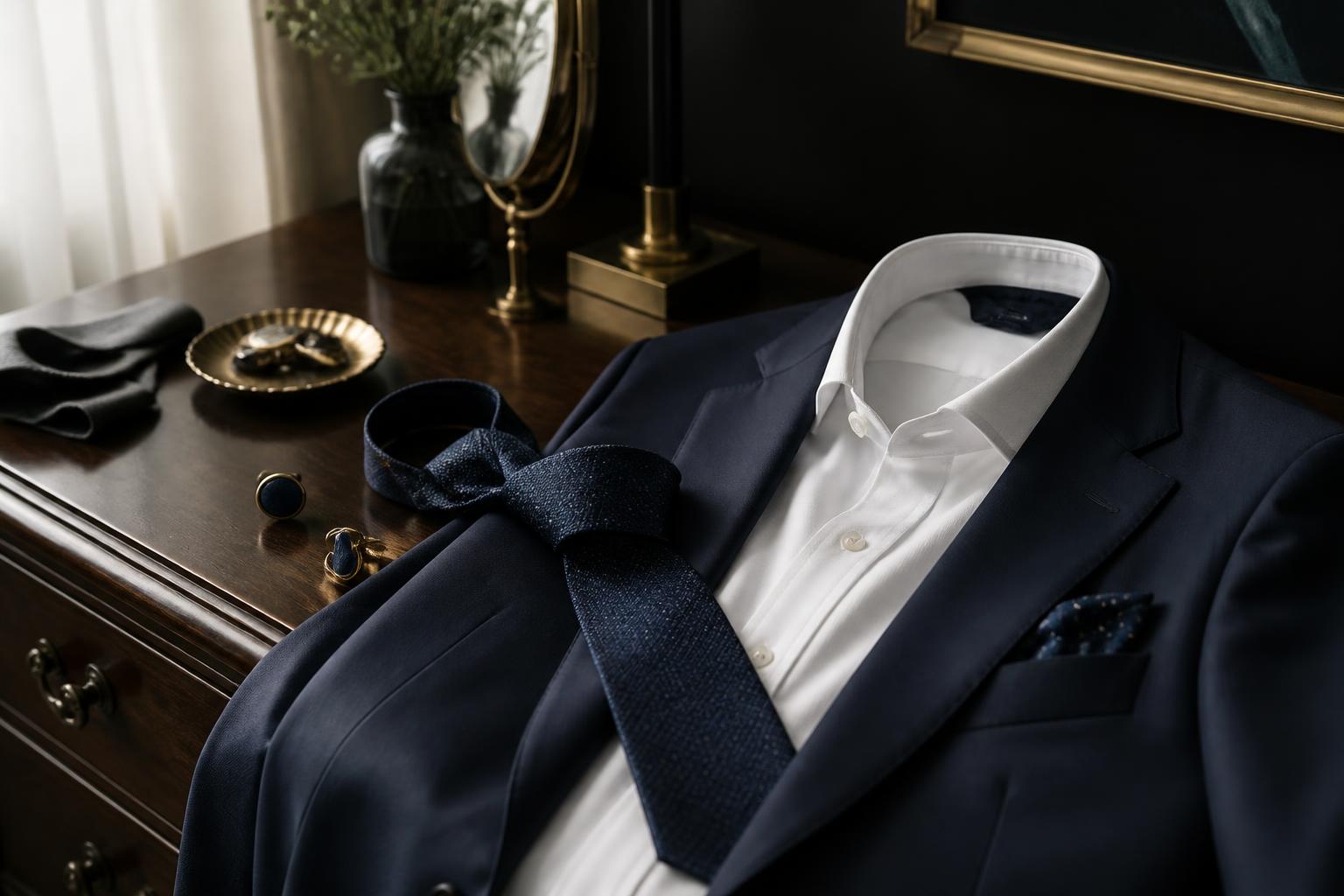
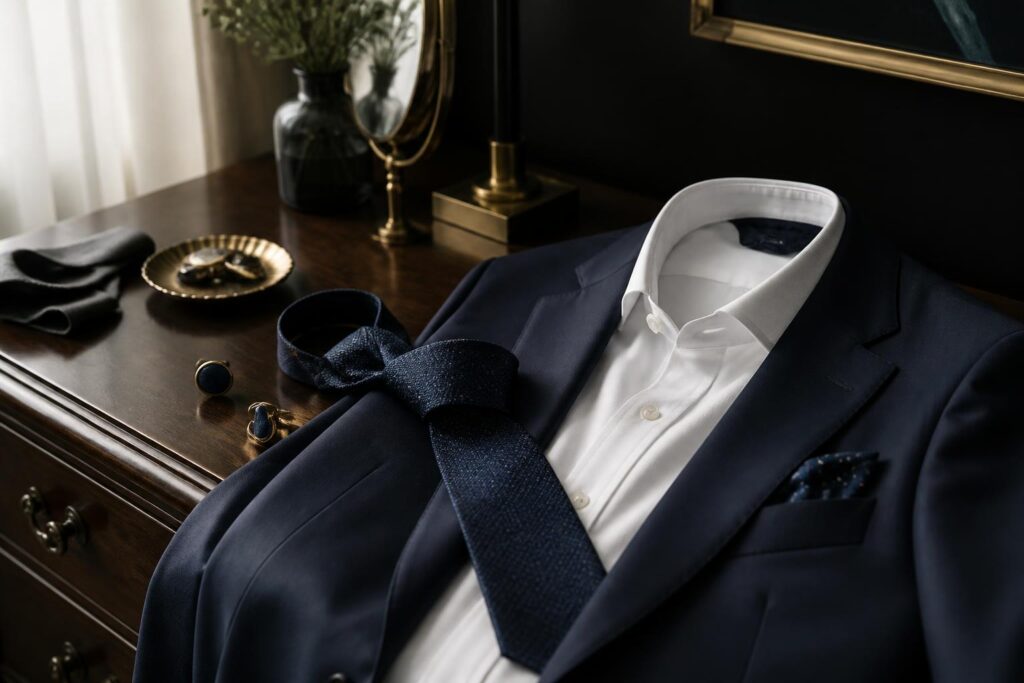
- Finish with small details. A pocket square, watch, belt, cufflinks, and socks should support the outfit rather than compete for attention.
Need a quick refresher before the big day? This guide to five useful tie knots can help you choose a knot that suits your collar and the formality of your outfit.
4. Let accessories add personality, not confusion
Formal accessories work best when they answer a simple question: what does this outfit need? If the suit and tie already have a noticeable pattern, keep the rest quiet. If the clothing is clean and understated, one distinctive detail can make the look feel personal.
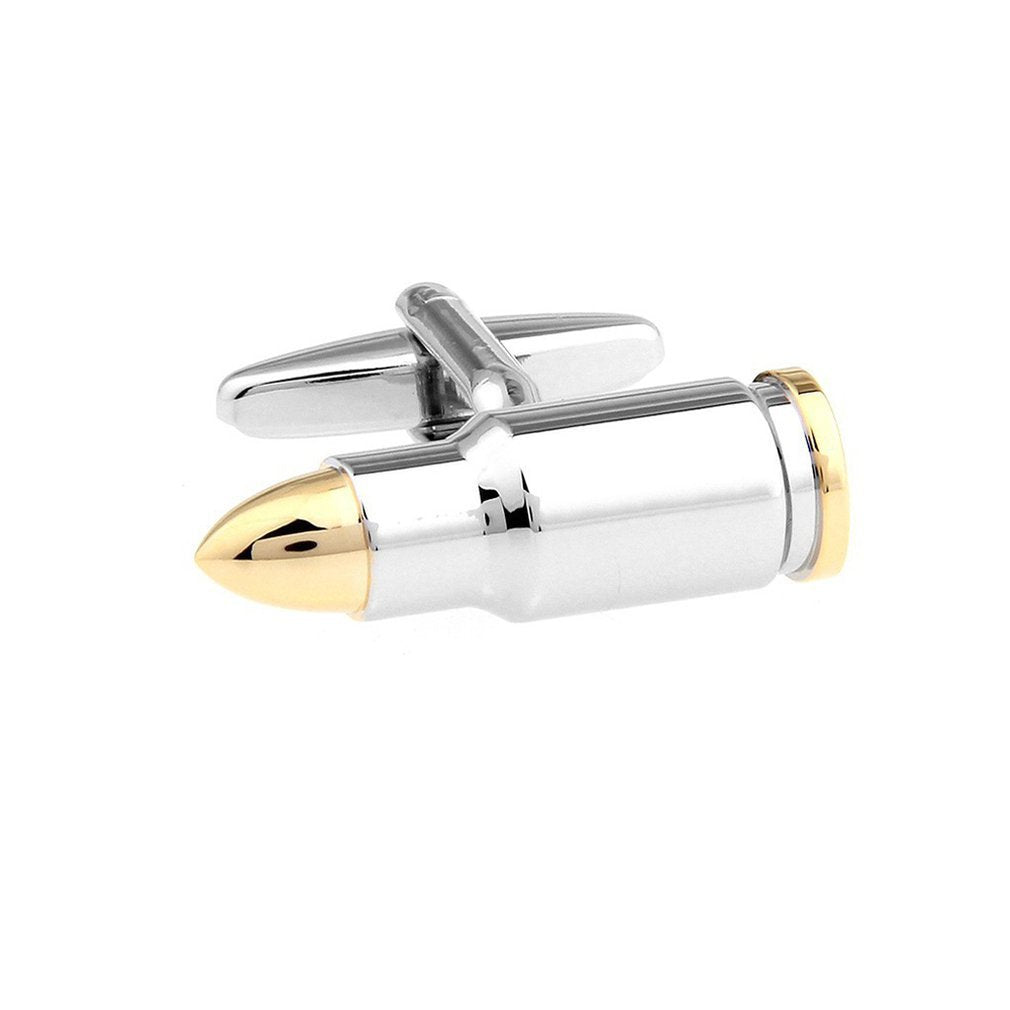
Cufflinks are especially useful when you are wearing a French-cuff shirt and want a polished finish without adding more color. The High Caliber Cufflinks offer a precision-inspired design that can bring character to a formal outfit while staying within the small-details category. Wear them with a simple watch and avoid stacking on several other statement pieces.
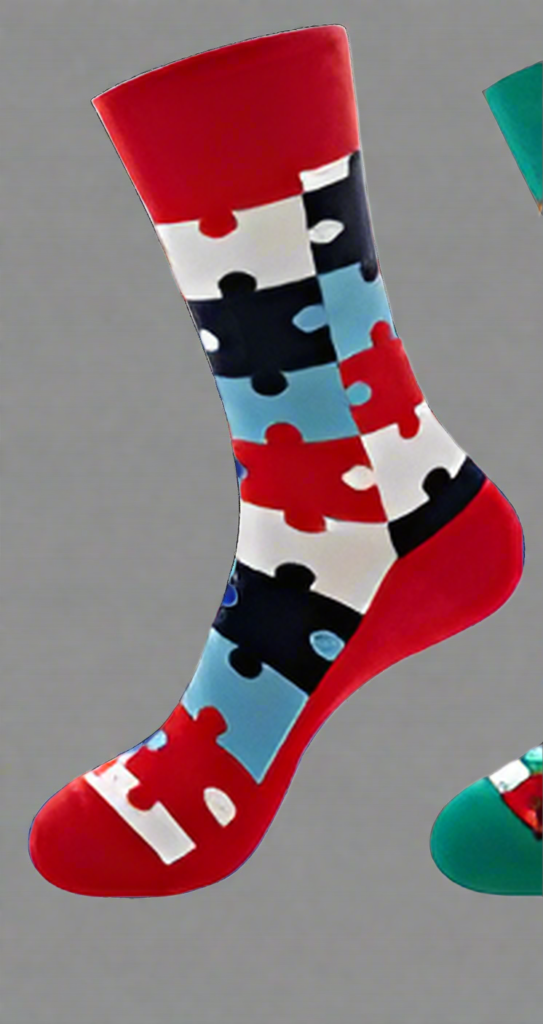
Socks are another chance to show a little personality, particularly when you sit down and the trouser hem rises. The Puzzle Piece socks have a striking design and a classic crew height, making them a playful option for a cocktail or festive wedding. They are best paired with otherwise restrained clothing so the detail feels intentional rather than accidental.
One useful rule: match the mood, not every color. Your socks do not need to duplicate your tie, and your cufflinks do not need to coordinate with the wedding flowers. A shared tone or similar level of formality is enough.
5. Avoid the five wedding-guest mistakes
- Ignoring the ceremony: A beach reception may be relaxed, but the ceremony can still call for a jacket and proper shoes.
- Wearing a tuxedo without checking: Black tie is appropriate when requested, but a tuxedo at a merely cocktail event can look like you are waiting for someone to hand you an award.
- Choosing uncomfortable shoes: Weddings involve standing, walking, dancing, and possibly a heroic amount of time on a hard floor. Break in your shoes before the event.
- Overdoing novelty: One memorable accessory is charming. Five competing accessories become a visual group project.
- Forgetting the practical check: Test the full outfit while sitting, moving, and raising your arms. A shirt that pulls at the buttons or trousers that pinch at the waist will not improve during the reception.
A five-minute departure checklist
Before leaving, check the invitation one more time for location, weather, and dress-code details. Confirm that your shirt is pressed, shoes are clean, jacket pockets are not bulging, and your tie is sitting neatly at the collar. Bring a small backup plan for changing conditions, such as a lightweight layer for an outdoor ceremony or a compact umbrella if rain is likely.
Most importantly, make sure your outfit lets you participate. The best wedding look is polished enough to respect the occasion and comfortable enough to survive dinner, photographs, and the dance floor. Dress with that balance in mind, and you will look sharp without looking like you misunderstood whose wedding it was.